
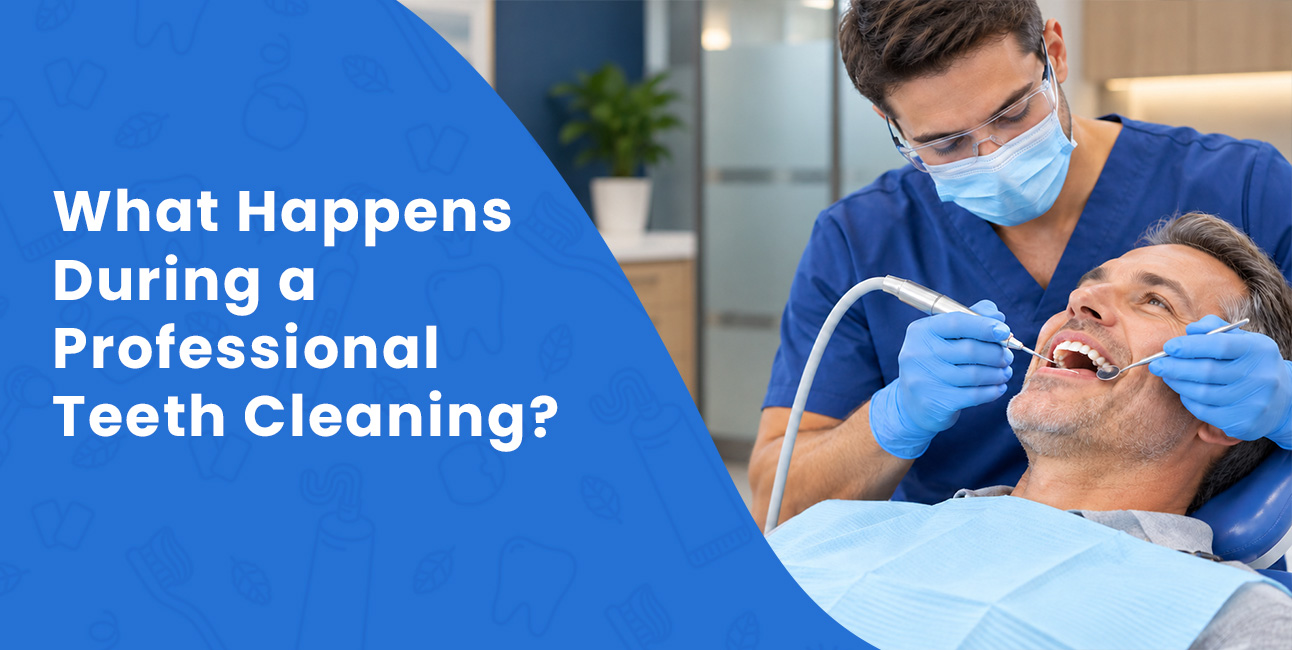
What Happens During a Professional Teeth Cleaning?
Step-by-Step Guide
You settle into the dental chair, the overhead light comes on, and your hygienist reaches for a small mirror. You may recognize the routine but what is each part of a teeth cleaning actually doing?
Knowing what to expect can make your next appointment feel more comfortable, especially if you have sensitive teeth or it has been a while since your last visit.
A professional teeth cleaning in Sacramento typically involves checking your oral health, removing plaque and tartar, polishing your teeth, and cleaning between them. Your appointment may also include a dentist’s examination, X-rays when needed, and a fluoride treatment based on your cavity risk. The exact order and services depend on your needs.
Here is a closer look at the process, from preparing for your appointment to caring for your teeth afterward.
Why Professional Teeth Cleanings Matter
Brushing and cleaning between your teeth help remove plaque, the sticky film of bacteria that collects on tooth surfaces. However, plaque that remains can harden into tartar, also called calculus.
Once tartar forms, brushing and flossing cannot remove it. A dentist or dental hygienist must remove it with professional instruments. Plaque and tartar can contribute to gum inflammation and periodontal disease.
A cleaning also gives you an opportunity to ask about areas that are difficult to reach at home. If floss catches around a filling or you struggle to clean behind your lower front teeth, bring it up during the appointment.
Before Your Appointment: How to Prepare
You do not need to make your teeth “perfect” before seeing the hygienist. Brush and clean between your teeth as you normally would, and avoid aggressive scrubbing to make up for missed days.
A little preparation can make the visit more useful:
Bring an updated medication list, including supplements.
Mention health changes, allergies, pregnancy, or recent medical treatment.
Describe any symptoms, such as bleeding gums, sensitivity, dry mouth, or pain when chewing.
Share previous dental experiences that made you uncomfortable.
Ask about appointment length and fees if you are arranging time off work or using insurance.
If you are a new patient, ask whether the first appointment includes a cleaning or begins with a separate evaluation. Your dental team needs to determine which type of care is appropriate before proceeding.
Step 1: Reviewing Your Health History and Concerns
The visit usually begins with a conversation about your medical and dental history. This helps the team understand changes that may affect your care. Reviewing recent health information is a standard part of a dental checkup.
Be specific about sensitivity or discomfort. For example, “Cold water bothers the lower right side” gives the hygienist more useful information than “My teeth are sensitive.”
This is also a good time to agree on a signal, such as raising your hand, if you need a pause. Ask for explanations before each step if knowing what comes next helps you feel more at ease.
Step 2: Checking Your Teeth and Gums
Before cleaning begins, the hygienist or dentist looks around your mouth for buildup and signs of inflammation.
A gum assessment may include measuring the spaces between your teeth and gums with a small instrument called a periodontal probe. These measurements help the dental team evaluate gum health. They may also note bleeding or gum recession.
If you hear numbers being called out, ask what they mean for you. The findings need to be considered together; one measurement alone does not explain your entire gum health.
This assessment helps determine whether a routine cleaning is suitable or whether you need treatment for gum disease.
Step 3: Taking Dental X-Rays If Needed
X-rays are not automatically necessary at every cleaning appointment.
Your dentist decides whether imaging is needed based on your history, symptoms, examination, and existing images. Current ADA recommendations emphasize taking dental images only when they are clinically necessary.
X-rays can reveal problems that are difficult to see directly, including decay between teeth or changes in supporting bone.
If another office recently took X-rays, mention this before your visit so the team can request and review them.
Step 4: Removing Plaque and Tartar Through Scaling
The main cleaning stage is called scaling. Your hygienist works around the teeth to remove deposits, paying attention to areas where buildup has collected.
They may use:
Hand instruments to remove deposits with controlled movements.
An ultrasonic scaler, which uses a vibrating tip to loosen buildup.
You may hear scraping or a high-pitched sound. These sounds are expected during professional cleaning.
Water and suction may be used during treatment, and some areas can feel sensitive. Let the hygienist know if you need a break or the sensation becomes uncomfortable.
Rather than judging the appointment by how much scraping you hear, ask which areas had the most buildup and how you can clean them more effectively at home.
Step 5: Polishing the Teeth
After deposits are removed, the hygienist may polish your teeth using a soft rubber cup and a slightly gritty professional paste. This step helps remove remaining plaque and surface stains.
You will likely notice a gentle buzzing sensation and the taste or texture of the paste. The dental professional selects the polishing approach for your teeth and restorations.
Ask whether any discoloration you notice is a removable surface stain or something that would require a separate cosmetic treatment. Cleaning and whitening serve different purposes.
Step 6: Cleaning Between Teeth and Rinsing
The hygienist may floss between your teeth to clear remaining material and polishing paste. Rinsing or suction helps clear your mouth.
Professional flossing is also a chance to practice your technique. If string floss is difficult to use, ask about a floss holder, interdental brushes, or a water flosser. The goal is to find an approach that lets you clean between your teeth consistently.
Tell the hygienist if you have a bridge, implant, or another area that needs special attention so you can discuss suitable home-care tools.
Step 7: Applying Fluoride When Recommended
Your dentist or hygienist may recommend a professional fluoride treatment based on your risk of tooth decay. It is not a required part of every cleaning.
Fluoride helps strengthen enamel and makes teeth more resistant to acid attacks. Professional applications may use varnish, gel, or foam. Adults as well as children may benefit when their dental needs warrant it.
Before leaving, ask:
Why is fluoride recommended for me?
Is there an additional charge?
When can I eat, drink, brush, and floss?
Follow the instructions for the product used. There is no single waiting rule that applies to every professional fluoride treatment.
Step 8: Reviewing Findings and Planning Your Next Visit
A cleaning is often paired with a dentist’s examination, although the examination may happen earlier in the appointment.
The dentist checks your teeth and gums, reviews any images, and examines the mouth for other concerns. An oral examination can also include checking the bite and looking for unusual changes in oral tissues. Findings and treatment options should be explained before you leave.
Useful questions include:
Are my gums healthy?
Which areas need more attention at home?
Have you found anything that needs treatment or monitoring?
When should I return, and why?
Routine Cleaning vs. Deep Cleaning: What Is the Difference?
A routine cleaning, also called dental prophylaxis, is preventive care. A deep cleaning, or scaling and root planning, treats gum disease beneath the gumline.
The ADA explains that scaling and root planning may be needed when gum pockets are too deep for routine cleaning to adequately address. Follow-up evaluation checks how the gums respond.
Being overdue does not automatically mean you need a deep cleaning. The recommendation should follow an assessment of your gum health. Ask the dentist to explain the findings, treatment plan, and cost.
How Long Does a Professional Teeth Cleaning Take?
Many routine cleanings take approximately 30–60 minutes, although individual appointments vary.
A first visit, additional imaging, a detailed examination, or more extensive treatment can require extra time. When scheduling, ask about the length of the entire appointment, rather than the cleaning portion alone.
Does Teeth Cleaning Hurt?
A routine cleaning is usually manageable, but sensitivity and gum tenderness can make some areas uncomfortable. Mild soreness or sensitivity afterward can occur and generally settles within a few days.
You do not need to sit through sharp pain. Tell the hygienist where it hurts and ask what adjustments or comfort options are appropriate.
Bleeding can be associated with inflamed gums, although it can have other causes. Mention bleeding you notice at home rather than assuming it is normal for you.
Caring for Your Teeth After the Appointment
Before leaving, confirm whether you have any treatment-specific instructions, particularly after fluoride or numbing.
For ongoing care:
Brush twice daily with fluoride toothpaste.
Use a soft-bristled toothbrush.
Clean between your teeth daily.
Follow the technique and product recommendations discussed during your visit.
Keep your recommended follow-up appointments.
These habits support oral health between professional visits.
Contact the office if you develop worsening pain, significant swelling, or bleeding that does not stop. These symptoms deserve attention rather than waiting for your next scheduled visit.
How Often Should You Have Your Teeth Cleaned?
Six-month visits are common, but your schedule should reflect your individual needs. The ADA notes that some people need dental visits once or twice a year, while others need more frequent care.
Your history of gum disease, cavity risk, and current oral health help guide that recommendation. Ask why a particular interval is recommended and whether you need routine cleaning or periodontal maintenance.
Frequently Asked Questions
1. Do I still need professional cleaning if I brush and floss every day?
Yes. Home care removes plaque, but hardened tartar requires professional removal. Your dental team can also identify areas you may be missing and recommend an appropriate cleaning schedule.
2. Will a cleaning make my teeth whiter?
Removing surface stains may make teeth look cleaner and brighter. However, a cleaning does not provide the same color change as a separate whitening treatment.
3. Can I eat immediately afterward?
Ask before leaving. Instructions depend on whether you received fluoride, local anesthesia, or other treatment. Follow the guidance given for your appointment.
4. Can a cleaning treat bad breath?
Removing plaque and buildup may help when they contribute to the odor. Persistent bad breath still deserves an evaluation because there can be other causes.
5. What if I have not visited a dentist in years?
Tell the office when scheduling. Start with an assessment and ask the team to explain the recommended next steps. You do not need to know in advance which type of cleaning you require.
6. Can I request breaks during my cleaning?
Yes. Let the hygienist know if you need to rest your jaw, swallow, or pause. Agreeing on a hand signal before treatment makes it easier to communicate.
Professional Teeth Cleaning at Stonebrook Dental in Sacramento
Stonebrook Dental provides general and preventive dental care, including examinations and cleanings, at Stonebrook Dental
Whether you are keeping up with routine care or returning after a long break, an appointment is an opportunity to understand your oral health and get practical guidance.
Contact Stonebrook Dental to schedule a dental visit. Mention any sensitivity, dental anxiety, or specific concerns when booking so the team can help you prepare.